
So You Think You've Been Hacked? Here's What Small Business Owners Need to Know
- Christopher nester
- Apr 2
- 4 min read
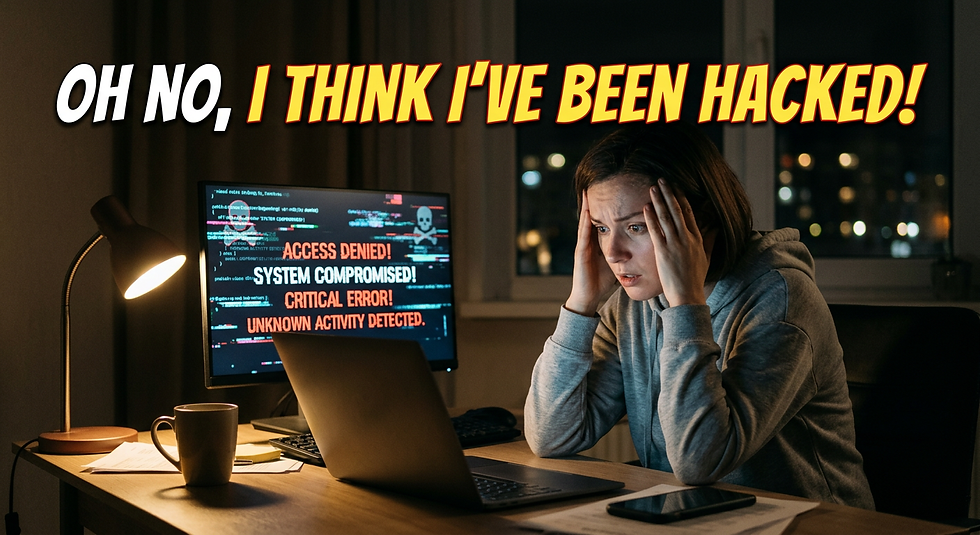
Let's be honest—no one wakes up hoping to deal with a cyberattack. But if you're running a small business today, the reality is that you're a target just as much as the big corporations are. In fact, attackers often see small businesses as easier targets because security tends to be lighter. So what happens when you wake up to find your systems acting strange, or worse, when you get that chilling email saying someone has access to your data?
The Real Cost of a Breach
Before we dive into the how-to, let's talk about what's actually at stake. It's easy to think, "We're too small to matter," but the impact of a hack goes far beyond just fixing a computer.
Financially, you're looking at immediate costs like incident response, forensic investigations, and system restoration. Then there's the downtime—every hour your systems are down is revenue you're not making. Many small businesses also face regulatory fines if customer data was involved, especially if you handle payment information or personal details.
But perhaps the most damaging cost is reputation. Your customers trust you with their information. Once that trust is broken, winning it back becomes incredibly difficult. Some businesses never recover from a significant breach. The stress on you and your team is another hidden cost that shouldn't be underestimated.
Signs Something Isn't Right
So how do you know if you've actually been compromised? Sometimes it's obvious—a ransomware message pops up, or you can't log into your accounts. But often, the signs are subtler.
Your devices might start running slower than usual, or programs crash unexpectedly. You could notice files that have been modified, deleted, or encrypted without your knowledge. Network activity that spikes at odd hours is another red flag. Maybe your antivirus software suddenly stops working or gets disabled.
For accounts specifically, watch for password reset emails you didn't request, login notifications from unfamiliar locations, or friends and colleagues saying they received strange messages from you. If you use cloud services, check your activity logs for suspicious sign-ins.
On the network level, you might see unknown devices connected to your Wi-Fi, unusual outbound traffic, or firewalls logging connections to strange IP addresses. If you manage servers, pay attention to unexpected configuration changes or new user accounts appearing out of nowhere.
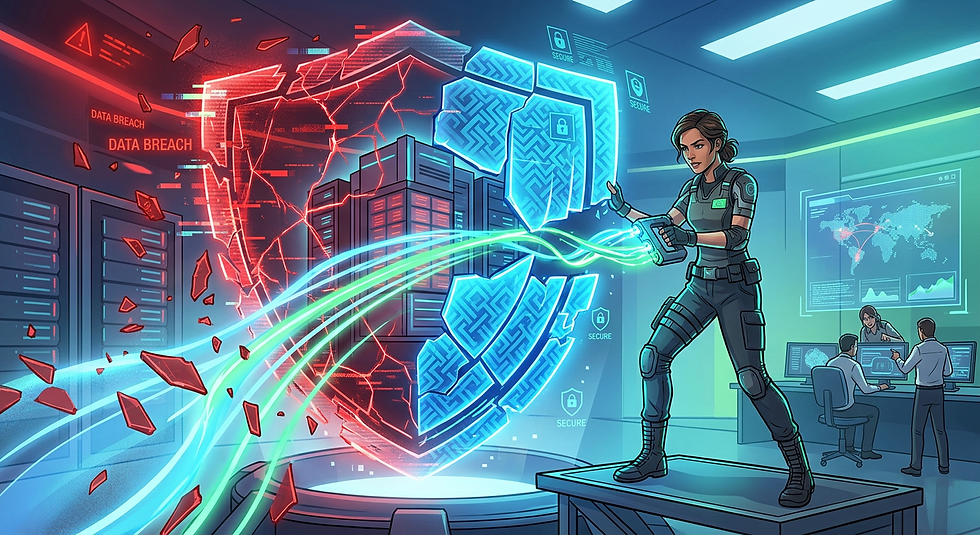
Taking Action When You Confirm a Compromise
Once you're reasonably sure you've been breached, time is critical. Here's what you should do.
First, isolate the affected systems immediately. Disconnect compromised devices from the network to prevent the attacker from moving laterally or exfiltrating more data. Don't shut them down completely though—you'll want to preserve evidence for investigation.
Next, change all your passwords starting with administrative accounts. Use strong, unique passwords and enable two-factor authentication everywhere possible. If you use a password manager, update your master password and ensure recovery options haven't been tampered with.
Contact your IT provider or a cybersecurity firm that specializes in incident response. They can help you assess the full scope of the breach and guide you through containment. Don't try to handle everything alone if you don't have in-house expertise.
You'll also need to notify relevant parties depending on what happened. If customer data was involved, legal requirements may mandate notification within specific timeframes. Your insurance provider should be contacted early since many cyber insurance policies require prompt reporting.
Document everything you observe and every action you take. This creates a timeline that's invaluable for investigation, insurance claims, and potential legal proceedings. Keep notes on what systems were affected, when you noticed issues, and what steps you took to respond.
Finally, once the immediate crisis is contained, conduct a thorough review of how the breach happened. Patch vulnerabilities, update security protocols, and train your team on recognizing threats. A breach is painful, but it's also an opportunity to build stronger defenses going forward.
Moving Forward
Being hacked feels overwhelming, but taking swift, methodical action makes all the difference. Small businesses face real risks, but they also have the advantage of agility—you can implement changes faster than larger organizations. Stay vigilant, invest in basic security hygiene, and have a plan ready before you ever need it.
If you found this helpful, share it with other business owners who might benefit. And remember, prevention is always cheaper than recovery.
How TodoSecure Can Be Your Safety Net
When the worst happens, you don’t want to be scrambling to find help; you want a partner who is already ready to step in. At TodoSecure, we specialize in guiding small businesses through exactly these kinds of crises. If you suspect a breach, our team can jump in immediately to help contain the threat, conduct a forensic analysis to understand the full scope of the damage, and assist with the recovery process so you can get back to business with minimal disruption. We act as your calm, expert voice when things feel chaotic, ensuring you navigate the technical and legal complexities without having to become a cybersecurity expert overnight.
But our value really shines before the alarm bells even ring. Prevention is always better than a cure, and that’s where we build your first line of defense. We help you identify weak spots in your network and devices before attackers do, implementing robust security measures tailored to your specific business needs. From securing your email and cloud accounts to training your team on spotting phishing attempts, we create a layered security strategy that makes it incredibly difficult for hackers to gain a foothold in the first place. Think of us not just as a fix-it crew for emergencies, but as your proactive shield, working around the clock to keep your business secure so you can focus on what you do best.


Comments